
What this guide covers: A purchase checklist for tooling rights, drawing revisions, samples and repeat-order records.
What still needs verification: No tooling price, die life, minimum order or development schedule is promised. A tooling fee alone does not establish ownership or future-use rights.
THE SHORT ANSWER
What should be agreed before paying for an extrusion die?
A tooling charge should come with clear terms about ownership, changes, sample approval and future use. Make those terms part of the quotation rather than relying on a generic die fee.
KEEP THESE DECISIONS TOGETHER
- A tooling price and the rights to the tool are separate questions.
- Define the sampling, revision and approval scope before placing the order.
- Keep the tool reference and approved drawing linked for repeat orders.
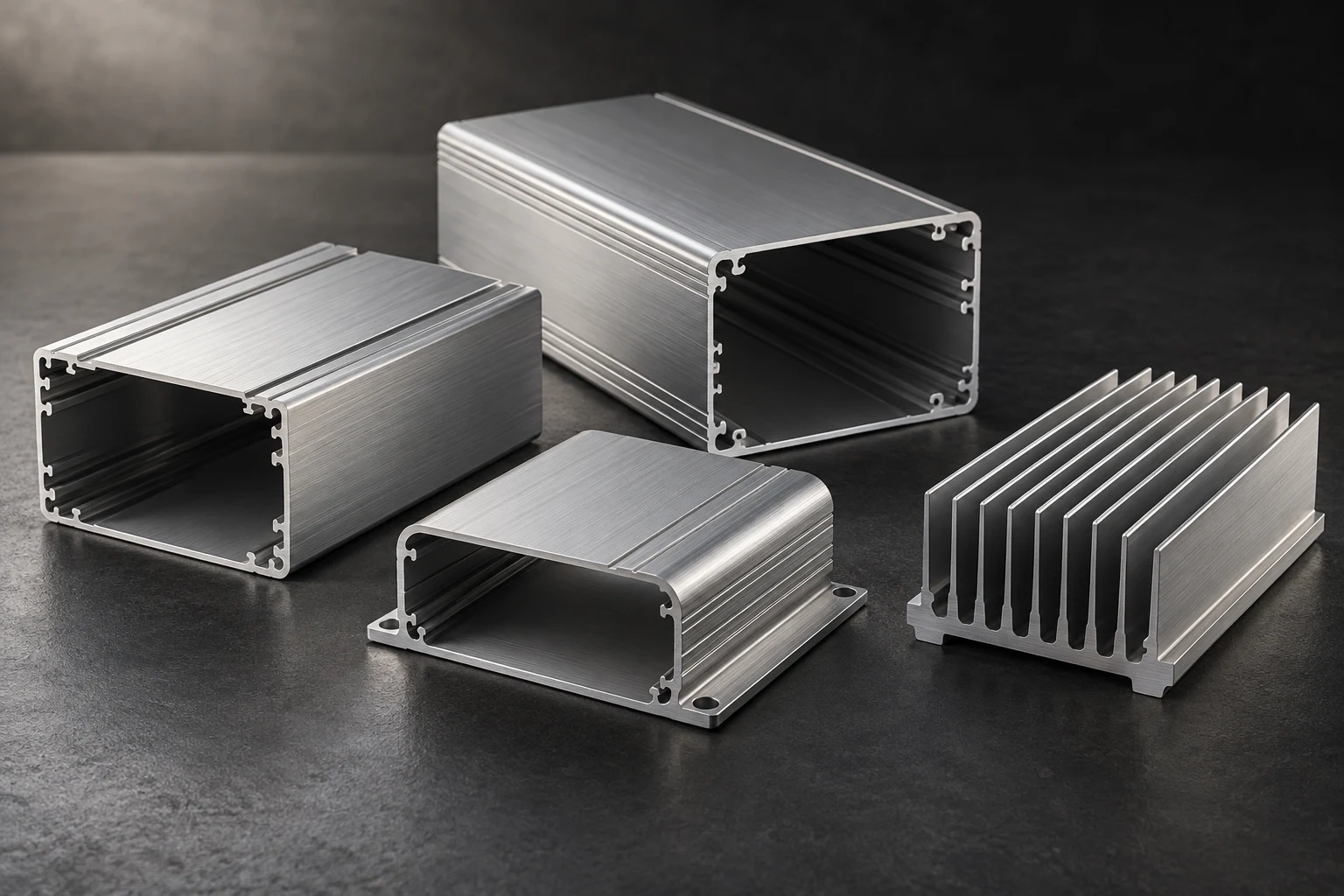
Review the obligations behind the tooling charge
Original purchasing guidance · not measured product data.
Ownership and access
Who owns, holds and may use the tool?
Keep as a record: Written ownership and future-use terms.
Development changes
What sampling and revisions are included?
Keep as a record: Scope, price exclusions and revision process.
Sample approval
Which drawing, finish and checks define acceptance?
Keep as a record: Sample report, deviations and written approval.
Maintenance and storage
Who handles maintenance, replacement and inactivity?
Keep as a record: Agreed obligations rather than assumed die life.
Repeat orders
How is the approved tool and drawing revision identified?
Keep as a record: Traceable order references and change history.
Separate the commercial questions
Ask who owns the tooling, where it will be held, who may use it and what happens if production stops or moves. Clarify whether the initial price includes development changes, sampling, maintenance and replacement. Do not assume payment alone defines all of these rights.
Create a sample-approval gate
Identify the drawing revision, material condition, sample quantity and documents needed for acceptance. Record whether changes require a new approval. A sample that looks right is not a substitute for the agreed dimensional and material checks.
Review repeat-order conditions
Ask how the supplier will retain revision history, identify the approved tool and handle later changes. Confirm how order quantity, finish, packing and delivery terms affect repeat quotations. No lead time, die life or minimum order quantity is promised by this draft.
Make the release conditions easy to find
Keep the approved drawing, sample record and resolved deviations together. The production release should identify which revision and material condition were accepted and what still requires action. For a repeat order, reference that same approved set or explicitly issue a new revision; an old quotation should not silently approve a changed part.
ILLUSTRATIVE SCENARIO / NOT A CUSTOMER CASE
A repeat order after a drawing change
Illustrative commercial-review scenario: an initial sample was approved, but the buyer later changes a mating interface. Keep the old approval record, issue a new controlled revision and ask whether the tool, price or sampling scope changes. Obtain the revised written agreement before production. A previous tool payment should not be treated as automatic approval of the new geometry.
Common purchasing mistakes
- Assuming a paid die charge establishes exclusive use or transfer rights.
- Releasing production without resolving sample deviations and the approved revision.
Questions to resolve before a quotation
Does a tooling fee automatically mean I own the die?
Do not assume that. Ownership, access, maintenance and future use should be stated in the written terms; this framework is not legal advice.
What should the tooling schedule cover?
Ask for the proposed development, sample review and change-approval stages, including who must act at each stage. Confirm the assumptions that can change the schedule in the quotation; this guide does not promise a duration or die life.
APPLY THE QUESTION TO A REAL SOURCE REFERENCE
Look beyond the product title.
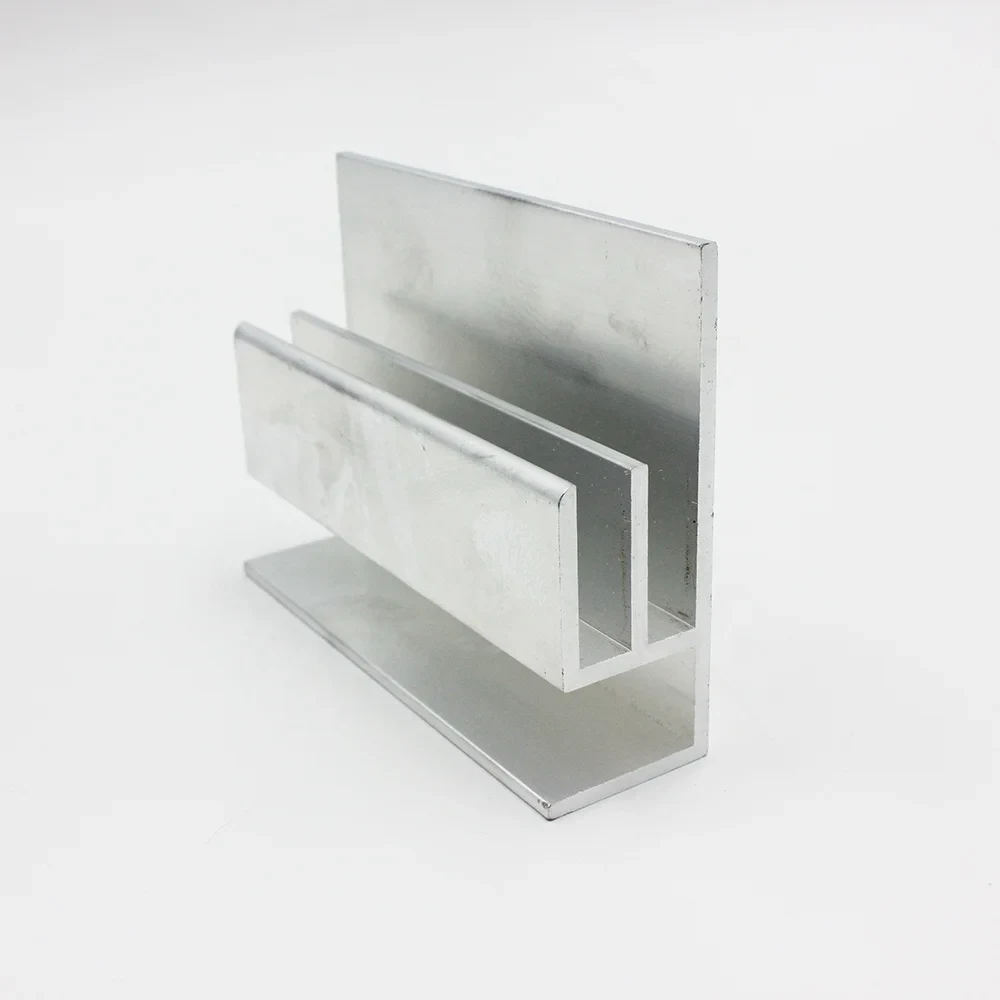
Custom F-section extrusions
This custom F-section is a source-listed shape reference. The listing does not establish who owns a project die or what a future tooling agreement includes.
The product page separates reference terms from missing specifications and provides part-specific buying questions.
Ask about this reference's technical dataSources and evidence boundaries
The industry reference notes support the technical background. The decision table, example and purchasing checklists are original guidance. They do not report supplier tests or certify a product.
- AEC — Dies & Tooling
Industry guidance · Reviewed overview · Overview reviewed
Link checked : publisher page accessible. This is not technical approval.
Explains extrusion die assemblies and tooling cost scope. The commercial checklist here is original guidance, not a statement of supplier contract terms.
Source publication date: Not stated on the reviewed page.
- AEC — Key Design Considerations
Industry guidance · Reviewed overview · Overview reviewed
Link checked : publisher page accessible. This is not technical approval.
Design context includes material, shape and press considerations. Its generic limits are not adopted as this project's production capabilities.
Source publication date: Not stated on the reviewed page.
Numerical limits require the applicable primary document, units, material condition and test method. None are inferred from a source title or an inaccessible standards page.
Required before publication
- Record ownership, access and exclusive-use terms.
- Separate tooling development from production-order pricing.
- Define sample approval and revision control.
- Clarify maintenance, storage and repeat-order obligations.
- Complete an independent technical review of the applicable editions and scope, and obtain owner approval.
- For any future numerical data, record units, test method, material condition, source date and evidence category.
Use this draft to organize questions. An accepted drawing, quotation and applicable material or inspection documents must define the supplied part.
This is editorial purchasing guidance; independent technical approval is pending. The editorial revision date above records content changes. Source access dates are listed separately and do not imply a new technical review.
Keep the tooling scope with the quotation.
Attach the drawing revision, sample-acceptance requirements and questions about ownership, development changes, maintenance and future use.
Before an order, review the quantity, sampling and delivery steps and the inspection-document requirements.
Start a tooling inquiry