
What this guide covers: A drawing-preparation sequence for locating faces, mating interfaces and features along the part.
What still needs verification: The guide does not approve a cross section, minimum wall, die size or production envelope. A proposed design needs its own feasibility review.
THE SHORT ANSWER
What should a cross-section review include before tooling?
Start the design review with interfaces and function. Keep the cross section, longitudinal features and assembly requirements distinct so that the reviewer can see what must be preserved.
KEEP THESE DECISIONS TOGETHER
- Show the mating components and identify the features that cannot change.
- Separate the constant cross section from holes, pockets and cut-end work.
- Keep proposed design changes on a review revision until they are approved.
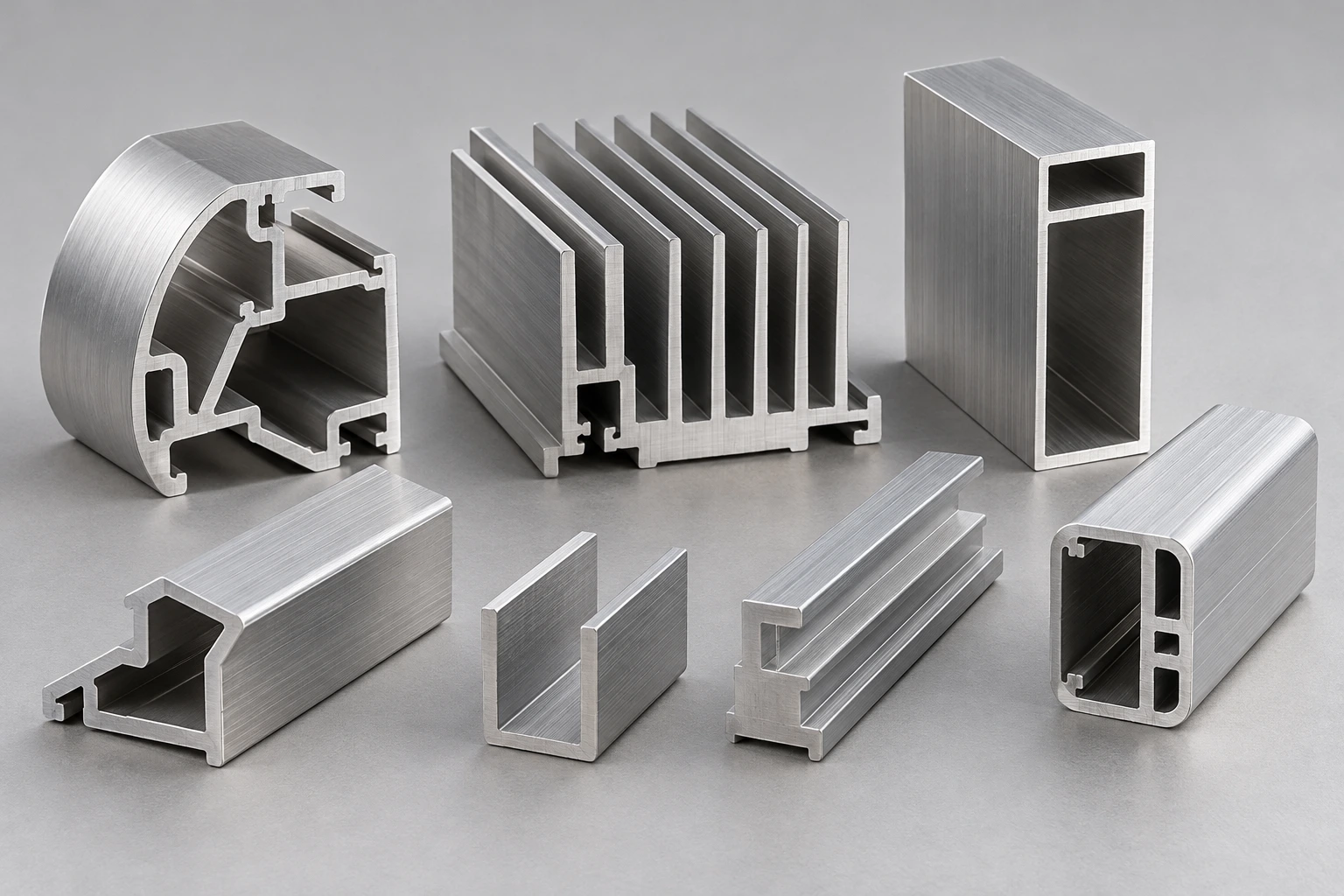
Separate the drawing into reviewable decisions
Original purchasing guidance · not measured product data.
Function
Mating faces, attachment, loads and access.
Record the decision: Explain why each critical feature matters.
Fixed geometry
Interfaces that must remain unchanged.
Record the decision: Mark functional dimensions and inspection datums.
Design freedom
Nonfunctional geometry open to revision.
Record the decision: Review suggested changes on a separate drawing revision.
Longitudinal features
Cut length, holes, slots and secondary machining.
Record the decision: Keep these distinct from the constant cross section.
Delivered condition
Finish, masking, edge condition and inspection.
Record the decision: Approve the finished requirement, not only an unprocessed section.
Map the interfaces before changing the shape
Identify the faces that locate the part, the surfaces that mate with another component and the zones that remain visible. State the assembly function of each critical dimension. A section that looks similar can still change the fit if a locating face, slot or screw feature moves.
Mark the freedom available to the reviewer
Separate fixed interfaces from features that may be adjusted. If a wall, radius or nonfunctional exterior face can change, say so on a review copy. Any suggested geometry change must return through drawing revision control; it should not silently become the manufacturing drawing.
Review the entire section
Do not approve a wall or a small feature in isolation from the rest of the shape. Request a section-specific feasibility review, including the chosen alloy and the intended secondary operations. This draft does not prescribe a generic wall thickness or geometric ratio.
Resolve uneven walls before freezing the drawing
AEC’s design guidance discusses wall balance and gradual transitions as extrusion design considerations. Mark abrupt thick-to-thin junctions, deep openings and unsupported features for review, then ask which changes preserve the required function. Treat any suggested radius or wall change as a proposal for your section, not a universal production rule.
Background: AEC — Extrusion Design Tips. The purchasing steps are original guidance.
ILLUSTRATIVE SCENARIO / NOT A CUSTOMER CASE
A slot that looks right but controls an assembly
Illustrative design-review scenario: a slot accepts a mating component, while the outer cover face is cosmetic. Mark the slot interface and its function as fixed; identify which cover geometry may change. If the reviewer suggests a revised wall or radius, check the mating part again and release a controlled revision. A visual resemblance to another catalog section does not establish compatibility.
Common purchasing mistakes
- Approving an attractive section image without showing the mating components.
- Allowing a review sketch to replace the released manufacturing drawing without revision control.
Questions to resolve before a quotation
Should I dimension every visible feature as critical?
Define criticality from fit or function. Distinguish reference information from acceptance criteria, and agree a practical inspection plan.
Should I include an assembly view with the section drawing?
Yes, when the section joins or locates another part. Show the mating components and identify the fixed interfaces, then use the controlled section and part drawings to define acceptance.
APPLY THE QUESTION TO A REAL SOURCE REFERENCE
Look beyond the product title.
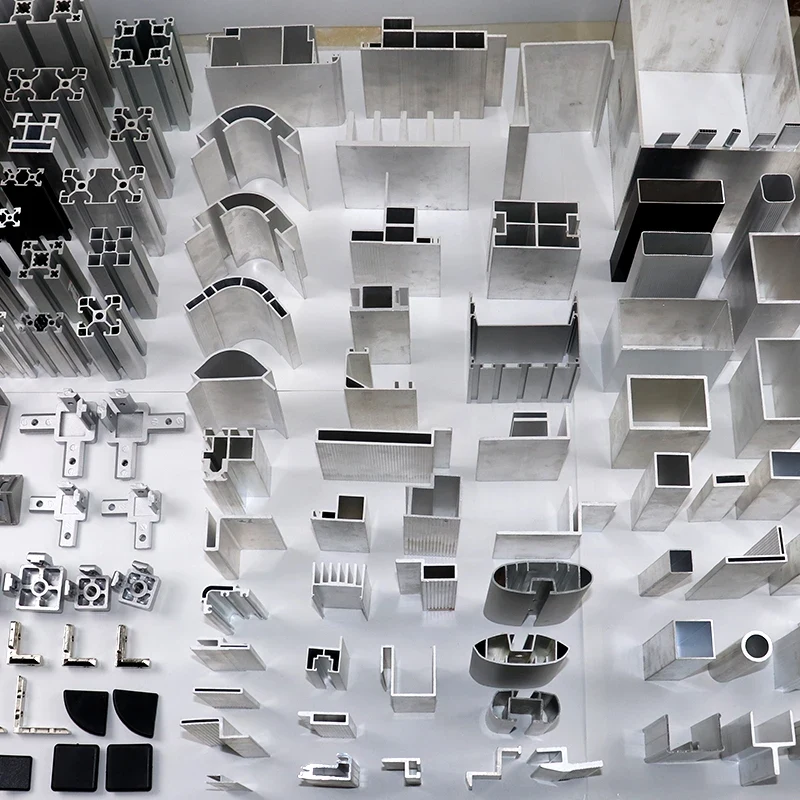
Custom extrusion assortment
The assortment is a photographed source reference. Use it to discuss shape families, then define your own section on a controlled drawing.
The product page separates reference terms from missing specifications and provides part-specific buying questions.
Ask about this reference's technical dataSources and evidence boundaries
The industry reference notes support the technical background. The decision table, example and purchasing checklists are original guidance. They do not report supplier tests or certify a product.
- AEC — Key Design Considerations
Industry guidance · Reviewed overview · Overview reviewed
Link checked : publisher page accessible. This is not technical approval.
Design context includes material, shape and press considerations. Its generic limits are not adopted as this project's production capabilities.
Source publication date: Not stated on the reviewed page.
- AEC — Extrusion Design Tips
Industry guidance · Reviewed overview · Overview reviewed
Link checked : publisher page accessible. This is not technical approval.
Discusses wall balance, transitions and design tradeoffs; asks designers to consult a qualified extruder. Numerical guidance is not reproduced as a supplier limit.
Source publication date: Not stated on the reviewed page.
- AEC — Dies & Tooling
Industry guidance · Reviewed overview · Overview reviewed
Link checked : publisher page accessible. This is not technical approval.
Explains extrusion die assemblies and tooling cost scope. The commercial checklist here is original guidance, not a statement of supplier contract terms.
Source publication date: Not stated on the reviewed page.
Numerical limits require the applicable primary document, units, material condition and test method. None are inferred from a source title or an inaccessible standards page.
Required before publication
- Identify the functional datums and mating parts.
- Distinguish critical, reference and negotiable dimensions.
- Keep proposed geometry revisions separate from released drawings.
- Record reviewer decisions and the approved revision.
- Complete an independent technical review of the applicable editions and scope, and obtain owner approval.
- For any future numerical data, record units, test method, material condition, source date and evidence category.
Use this draft to organize questions. An accepted drawing, quotation and applicable material or inspection documents must define the supplied part.
This is editorial purchasing guidance; independent technical approval is pending. The editorial revision date above records content changes. Source access dates are listed separately and do not imply a new technical review.
Mark the fixed interfaces on your section.
Send the controlled cross section, a view of the assembly and the areas open to redesign. A review copy should be distinguishable from the production release.
Before an order, review the quantity, sampling and delivery steps and the inspection-document requirements.
Discuss a custom section