
Custom Aluminum Extrusions
Specify the section, material and finished-part requirements before ordering a die. Send a drawing to discuss feasibility, tooling and sample approval.
REQUEST A QUOTEFor a custom section, the drawing must show what is fixed and what may change. Include the following information with your tooling inquiry.
Application
Alloy & temper
Section geometry
Critical interfaces
Tooling terms
Sample approval
Inspection plan
Revision control
What to send before a die is quoted
Send a dimensioned cross section with units and a revision number. Add a STEP or DXF file when available. Mark the surfaces that mate with other parts, the dimensions that control fit and the geometry that can change. This lets the quotation address the complete section rather than a photograph alone.
- Application and operating environment
- Target alloy and temper, or the performance you need
- Estimated order quantity and expected repeat demand
- Critical dimensions, inspection method and acceptance criteria
Choosing the material? Compare 6061 and 6063 alloy requirements.

Separate the die charge from the tooling agreement
Ask who owns the die, who may use it and what the charge includes. Record revision, maintenance, storage and replacement terms. Agree how the first sample will be measured and approved before authorizing production.
Before paying a die charge, check tooling ownership and sample terms.
Does your request need a new die?
Identify the starting point for the quotation. An existing listing is a reference to discuss, not proof that a matching die or stock is available.
| Your starting point | Send with the inquiry | Confirm in the quotation |
|---|---|---|
| Existing catalog reference | Profile name, required dimensions, material and quantity | Whether existing tooling is suitable, plus dimensions and availability |
| New cross section | Controlled drawing, fixed interfaces, alloy and expected demand | Feasibility, die scope, ownership and first-sample approval |
| Extrusion with finished features | Section drawing plus cut lengths, holes, threads and finished condition | Which features are extruded and which need secondary operations |
| Revised repeat order | Previous part reference and a drawing showing the changes | Whether the change affects tooling, samples, inspection or price |
Send the current section revision and say whether this is a catalog reference, a new design or a revised repeat order.
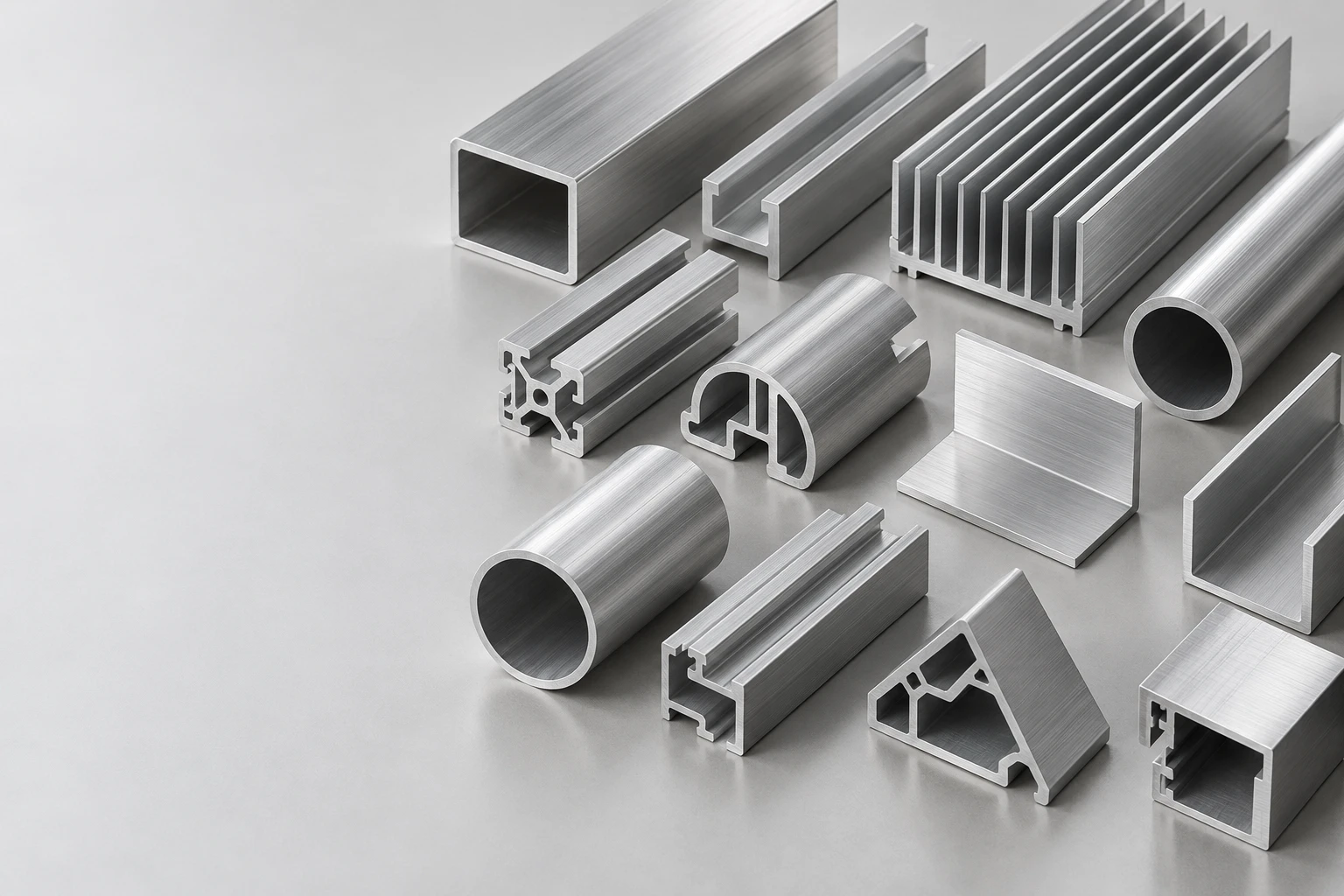
Browse custom cross-section referencesA published profile photograph does not establish a minimum wall or tolerance. The complete section, material and supplied condition must be reviewed before limits are accepted. Keep the approved drawing, sample report and any agreed deviations with the tooling release.
Before a tooling commitment
Separate the die-development scope from the proposed supply order. State the section revision, quantity units and approval requirements, then review the order preparation guide before release.
Define what the first review must establish.
Identify material records, section measurements and the finish reference required for approval. Keep requested checks separate from reports that have actually been confirmed in the inspection and documentation brief.