
What this guide covers: An alloy-and-temper selection brief for an extruded part with known interfaces and finish requirements.
What still needs verification: No strength chart, fatigue result or universally preferred alloy is established. The supplied product form and condition still need applicable material evidence.
THE SHORT ANSWER
How should I choose between 6061 and 6063 for a custom extrusion?
Compare 6061 and 6063 against the required material condition, section geometry and finish. Both sit within the 6xxx alloy family, but the temper and finished-part requirements still need to be specified. If the alloy is open, send the drawing and ask for a documented recommendation.
KEEP THESE DECISIONS TOGETHER
- Compare the complete alloy–temper condition, not the alloy number alone.
- Use the same section, finish and inspection scope when comparing quotations.
- Request applicable material data before turning a preference into an acceptance limit.
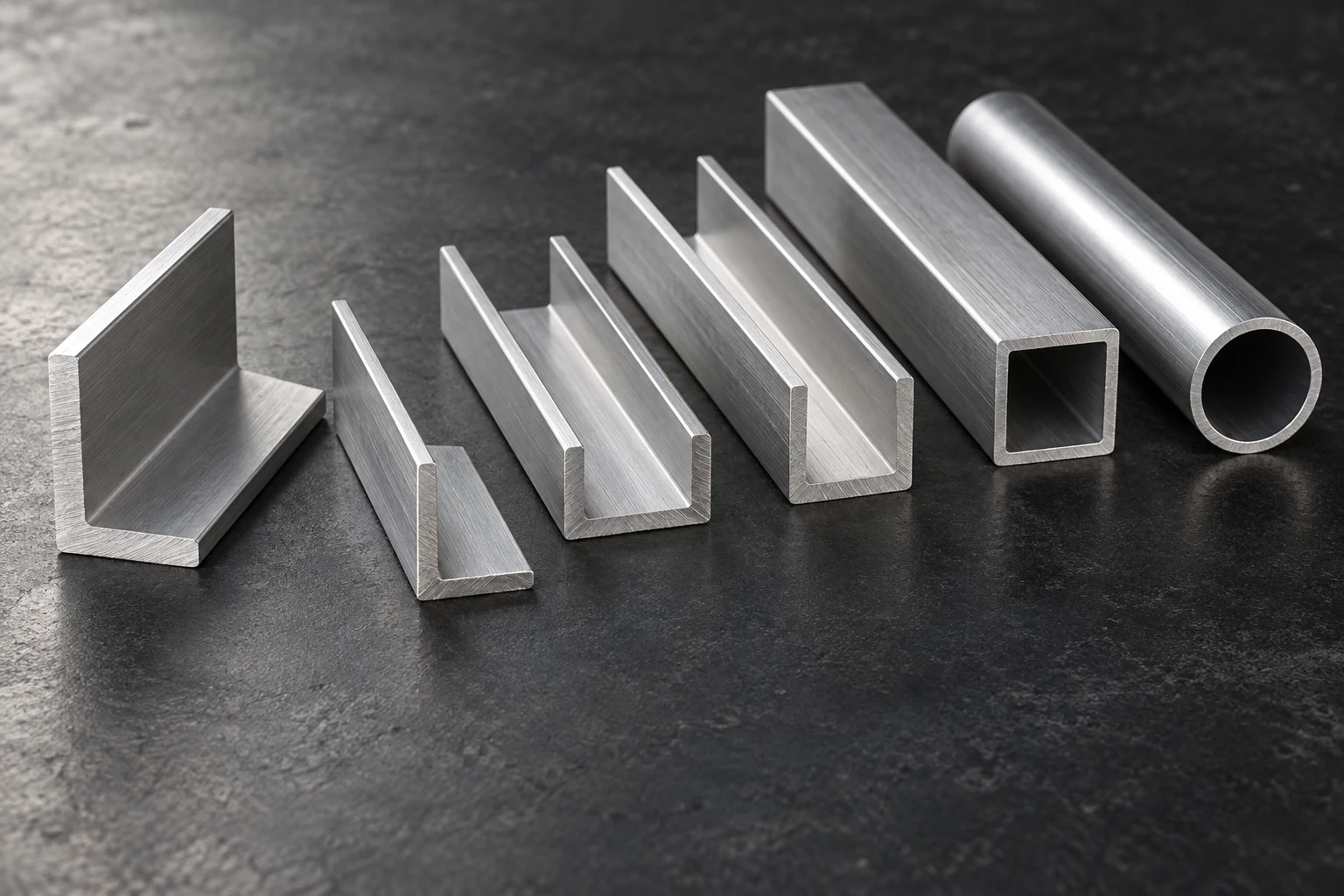
Compare the proposed part, not isolated alloy labels
Original purchasing guidance · not measured product data.
| Decision factor | Ask for each proposed route | What makes the comparison useful |
|---|---|---|
| Material condition | Complete alloy, temper and supplied product form | Compare like conditions and applicable primary property data. |
| Section feasibility | Review of the same controlled cross section | Identify any required geometry, tooling or process changes. |
| Assembly requirements | The loads, interfaces and acceptance limits you actually need | Separate a functional requirement from a general material preference. |
| Appearance | Representative material with the intended surface treatment | Approve a physical reference rather than borrowing a different alloy’s finish result. |
| Purchase scope | Same quantity units, cut length, operations and documentation | Make quoted differences visible before selecting on price. |
On small screens, scroll horizontally to compare all columns.
Read the alloy and temper together
The alloy identifies the material composition; the temper describes the mechanical or thermal treatment condition. AEC distinguishes T5 as cooling from an elevated temperature followed by artificial aging, and T6 as solution heat treatment followed by artificial aging. Those labels are not interchangeable, and neither one is a substitute for the complete material specification and applicable property evidence.
Background: AEC — Alloys & Tempers. The purchasing steps are original guidance.
Compare the same finished section
AEC describes material selection and component geometry as linked decisions, and lists building components, trim, heat sinks and housings among common 6063 contexts. That is useful background, not approval of a particular part. Compare proposed routes using the same drawing, quantity, processing, finish and inspection scope; ask what changes if the alloy or temper changes.
Background: AEC — 6xxx Series Alloys. The purchasing steps are original guidance.
Use samples to resolve appearance questions
If the surface is important, identify the visible faces and review the proposed finish on representative material. Record the accepted sample and finishing route. An alloy recommendation is not a guarantee that a screen image or a different batch will match your appearance requirement.
ILLUSTRATIVE SCENARIO / NOT A CUSTOMER CASE
A housing brief with an undecided alloy
Illustrative purchasing scenario, a buyer has a sliding-cover housing and an appearance requirement, but no selected alloy. Send the section, cover interface and finish reference first. Ask the reviewer to explain each proposed alloy-and-temper route against those requirements. If a material change also changes the section or inspection scope, record that change before comparing prices.
Common purchasing mistakes
- Treating a property quoted for a different temper or product form as an extrusion acceptance limit.
- Choosing from an alloy nickname while leaving finished fits, loads or finish acceptance unspecified.
Questions to resolve before a quotation
Is one alloy always the better extrusion choice?
No general ranking decides a specific part. Compare the proposed material condition, section feasibility, functional requirements and finish evidence. This draft does not publish numerical property comparisons.
Can I submit an RFQ without choosing an alloy?
Yes. State that it is undecided, describe the application and request a reasoned recommendation with applicable documentation.
APPLY THE QUESTION TO A REAL SOURCE REFERENCE
Look beyond the product title.
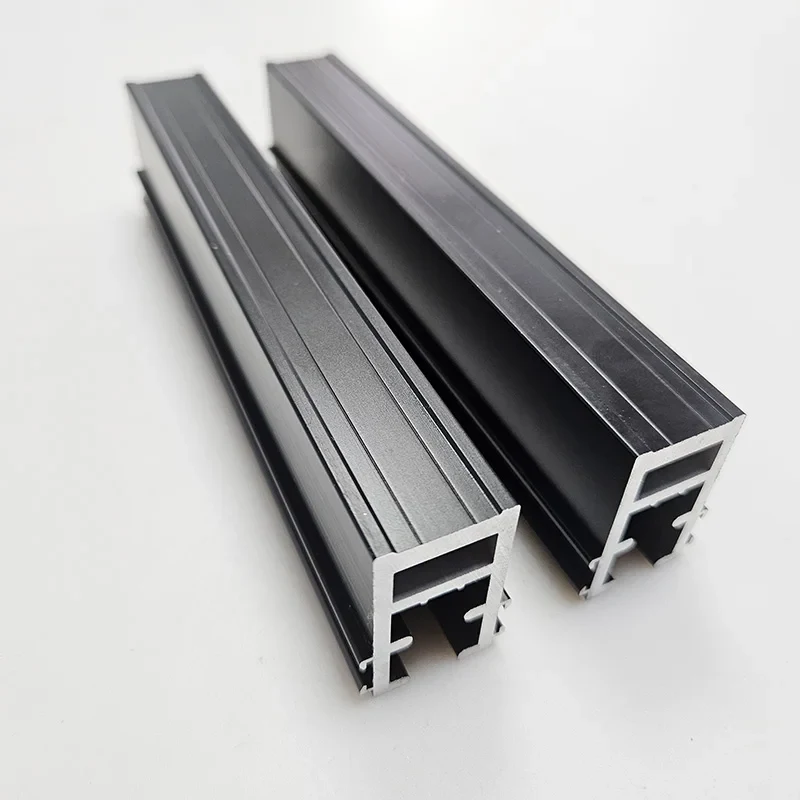
Black-finished architectural sections
This source title names both 6061 and 6063. It illustrates why a listing's alloy references still need a complete material-and-temper specification.
The product page separates reference terms from missing specifications and provides part-specific buying questions.
Ask about this reference's technical dataSources and evidence boundaries
The industry reference notes support the technical background. The decision table, example and purchasing checklists are original guidance. They do not report supplier tests or certify a product.
- AEC — Alloys & Tempers
Industry guidance · Reviewed overview · Overview reviewed
Link checked : publisher page accessible. This is not technical approval.
Explains the distinction between alloy and temper and gives an alloy–temper designation example. It is not a batch certificate or a supplier guarantee.
Source publication date: Not stated on the reviewed page.
- AEC — 6xxx Series Alloys
Industry guidance · Reviewed overview · Overview reviewed
Link checked : publisher page accessible. This is not technical approval.
Describes the relationship between material selection, component geometry and extrusion tradeoffs, including common 6063 application contexts. No property chart or supplier-specific result is reproduced.
Source publication date: Not stated on the reviewed page.
- AEC — Key Design Considerations
Industry guidance · Reviewed overview · Overview reviewed
Link checked : publisher page accessible. This is not technical approval.
Design context includes material, shape and press considerations. Its generic limits are not adopted as this project's production capabilities.
Source publication date: Not stated on the reviewed page.
Numerical limits require the applicable primary document, units, material condition and test method. None are inferred from a source title or an inaccessible standards page.
Required before publication
- Record the complete material designation and temper.
- Check that referenced properties apply to extruded products in the quoted condition.
- Separate supplier recommendations from guaranteed acceptance limits.
- Confirm the finish sample and revision before release.
- Complete an independent technical review of the applicable editions and scope, and obtain owner approval.
- For any future numerical data, record units, test method, material condition, source date and evidence category.
Use this draft to organize questions. An accepted drawing, quotation and applicable material or inspection documents must define the supplied part.
This is editorial purchasing guidance; independent technical approval is pending. The editorial revision date above records content changes. Source access dates are listed separately and do not imply a new technical review.
Send the section before settling the alloy.
Include the mating part, service conditions and finish reference. Mark the alloy as undecided if you need a documented recommendation.
Before an order, review the quantity, sampling and delivery steps and the inspection-document requirements.
Start an alloy-selection inquiry