
What this guide covers: An anodizing request covering visible faces, appearance references, masking and the supplied condition.
What still needs verification: The guide gives no coating thickness, color tolerance, corrosion result or guarantee for a supplier's process. Those require an agreed specification and evidence.
THE SHORT ANSWER
What information belongs in an anodizing RFQ?
An anodizing RFQ needs more than a color: identify the alloy and temper, visible faces, service environment, functional fits and the finish reference. Ask which specification, sample and inspection records will define acceptance. Leave an undecided coating requirement open for review rather than inventing a value.
KEEP THESE DECISIONS TOGETHER
- A color name does not define the full anodizing requirement.
- Mark visible faces, functional fits and areas needing masking.
- Agree the physical reference, required verification and protective packing.
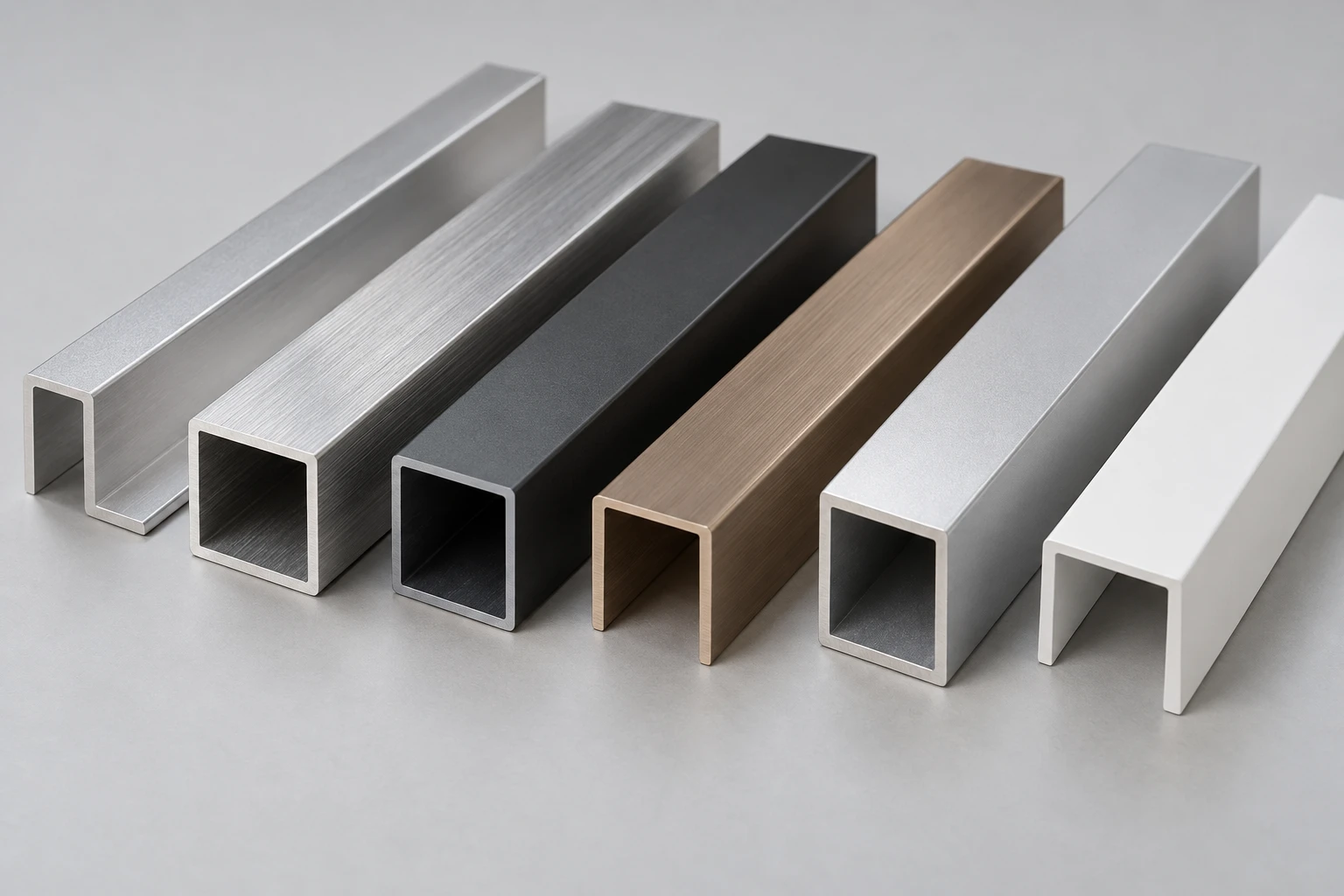
Make surface acceptance explicit
Original purchasing guidance · not measured product data.
- Appearance
Information to provide: Exposed faces and physical color or texture reference.
Decision to record: Approved sample identity and viewing expectations.
- Service
Information to provide: Exposure, cleaning and applicable project requirements.
Decision to record: Specification and supporting verification requested.
- Interfaces
Information to provide: Threads, bores, sliding faces and electrical contacts.
Decision to record: Masking and finished-condition acceptance.
- Processing
Information to provide: Machining and treatment sequence.
Decision to record: Which operations occur before or after the finish.
- Documentation
Information to provide: Test or inspection information actually required.
Decision to record: Applicable method, conditions and supplier response.
Know what the finish changes
The Aluminum Anodizers Council describes anodizing as a controlled electrochemical conversion of the aluminum surface to an oxide finish, rather than an applied paint layer. For purchasing, that means the substrate, finish route and finished-part interfaces belong in the same conversation. The word “anodized” alone does not establish an accepted color or coating specification.
Background: Aluminum Anodizers Council — What Is Anodizing?. The purchasing steps are original guidance.
Identify what the buyer will see
Mark the visible faces, viewing expectations and areas where appearance variation is acceptable. Record the color reference and any agreed physical sample. Do not use a phone display as the only acceptance reference for a finished component.
Keep fits and electrical interfaces in the review
Identify threads, bearing surfaces, mating features and electrical-contact areas. Ask the finishing reviewer to confirm masking and inspection of those features in the finished condition. No coating thickness or electrical performance is assumed in this brief.
Ask for evidence under the requested specification
If the project requires a named finishing standard or test, identify its current edition, relevant class and acceptance criteria. Request documentation for the proposed process and sample. A generic “anodized” description does not establish compliance with an architectural, corrosion or appearance requirement.
Include protection after the finishing step
AAC’s quotation checklist includes the end use, material condition, appearance, dimensional requirements and protective packaging. Tell the reviewer which faces must be protected during handling and shipment. Record the approved sample identity and packing requirement with the purchase order so that appearance acceptance does not end at the finishing operation.
Background: AAC — Ordering & Quotation Guidelines. The purchasing steps are original guidance.
ILLUSTRATIVE SCENARIO / NOT A CUSTOMER CASE
An exposed trim and a concealed mating face
Illustrative finish-review scenario: the exposed face needs an agreed appearance, while a concealed face locates another part. Mark both functions separately. Approve a physical finish reference for appearance and a finished-condition inspection requirement for the fit. Ask the reviewer to confirm masking and sequence, rather than treating the color name as the complete specification.
Common purchasing mistakes
- Accepting a screen image as the only color reference.
- Assuming the word “anodized” proves a coating class, test result or service life.
Questions to resolve before a quotation
Is a color name enough to approve an anodized finish?
A color name is a starting reference. Agree a representative physical sample, visible surfaces and viewing expectations, and retain that record with the order. A website image alone cannot establish appearance acceptance.
Should threaded and electrical-contact areas be mentioned?
Yes. Identify their function and request a masking, sequence and inspection review. No electrical or coating performance is assumed from the illustration.
APPLY THE QUESTION TO A REAL SOURCE REFERENCE
Look beyond the product title.
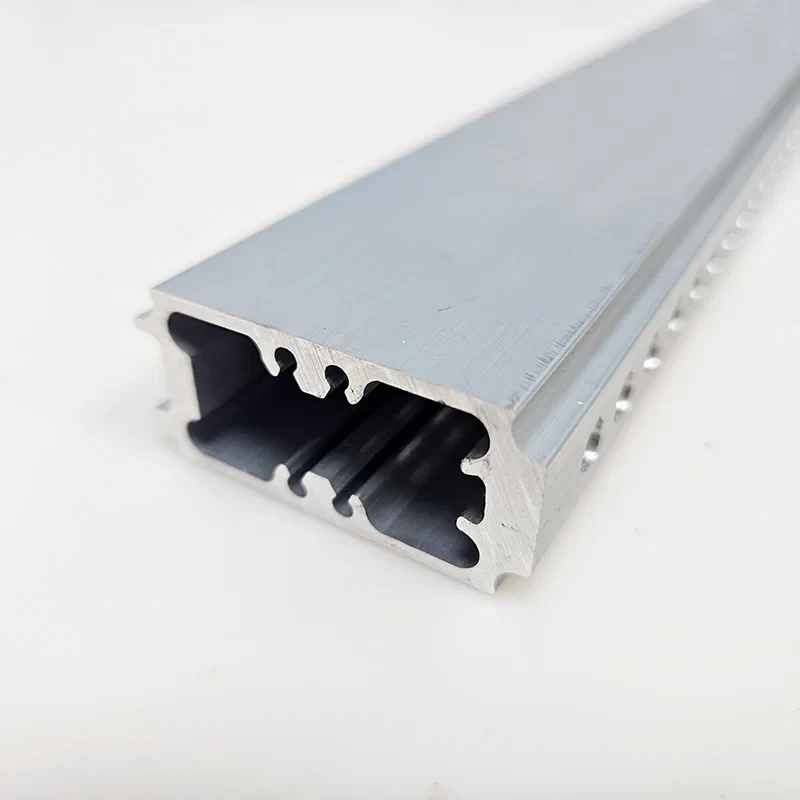
Silver-anodized rectangular sections
The listing names a silver-anodized finish. The photograph is not a physical color standard, coating-thickness record or finish acceptance sample.
The product page separates reference terms from missing specifications and provides part-specific buying questions.
Ask about this reference's technical dataSources and evidence boundaries
The industry reference notes support the technical background. The decision table, example and purchasing checklists are original guidance. They do not report supplier tests or certify a product.
- Aluminum Anodizers Council — What Is Anodizing?
Industry guidance · Reviewed overview · Overview reviewed
Link checked : publisher page accessible. This is not technical approval.
Describes anodizing as an electrochemical surface conversion process. The overview does not establish a coating class, thickness or test result for a supplied part.
Source publication date: Not stated on the reviewed page.
- AAC — Ordering & Quotation Guidelines
Industry guidance · Reviewed overview · Overview reviewed
Link checked : publisher page accessible. This is not technical approval.
Lists information needed for an anodizing pricing inquiry, including end use, alloy and temper, appearance, dimensional requirements and protection. It sets no coating thickness or acceptance limit for this business.
Source publication date: Not stated on the reviewed page.
- AEC — Finishing
Industry guidance · Reviewed overview · Overview reviewed
Link checked : publisher page accessible. This is not technical approval.
Relates finish selection to appearance and service environment and identifies broad finish routes. No product coating specification is established.
Source publication date: Not stated on the reviewed page.
Numerical limits require the applicable primary document, units, material condition and test method. None are inferred from a source title or an inaccessible standards page.
Required before publication
- Mark visible and masked surfaces on the controlled drawing.
- Agree a representative appearance sample and record its identity.
- Specify acceptance after finishing for functional fits.
- Verify any claimed test result, method and sample condition.
- Complete an independent technical review of the applicable editions and scope, and obtain owner approval.
- For any future numerical data, record units, test method, material condition, source date and evidence category.
Use this draft to organize questions. An accepted drawing, quotation and applicable material or inspection documents must define the supplied part.
This is editorial purchasing guidance; independent technical approval is pending. The editorial revision date above records content changes. Source access dates are listed separately and do not imply a new technical review.
Put the finish requirement on the part drawing.
Identify the visible and functional faces, material condition and sample reference. Include the service environment and the documentation your project needs.
Before an order, review the quantity, sampling and delivery steps and the inspection-document requirements.
Discuss surface requirements